
How to Safely Release a Rat Caught in a Cap Gajah Glue Trap
Caught a rat in a Cap Gajah trap? Learn how to safely release a rat from a glue trap using thick gloves and vegetable oil, then free it far from home.


Cap Gajah rat glue is a very effective rat trap and is often used to catch rats at home. You can use it to catch rats in the house without having to kill them. But an animal that gets stuck can still die a miserable death if you do not rescue it, because Cap Gajah rat glue has very strong adhesion.
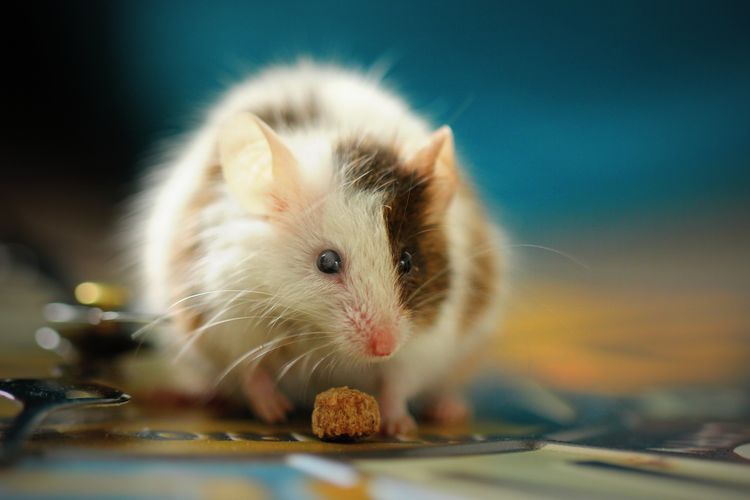
Releasing the Rat Without Hurting It
Rodents can carry various dangerous diseases and can infect people. To protect yourself from bites, scratches and contamination, wear fairly thick gloves. Ideal choices are gardening gloves or leather gloves. Then take the trap and slowly move it into a clear, box-shaped container that is larger than the trap.
Use an old towel or a rag you can throw away afterward to cover the rat. Spread the towel over the rat's head to keep the animal calm. Place one hand on the rat's shoulders and hold it gently. Then pour vegetable oil onto the trap, because the oil can loosen the glue. Concentrate the oil around the spot where the animal is stuck.
Catching rats at home is easy with Cap Gajah products. But you need to be careful when you want to get rid of a rat without killing it. Make sure the vegetable oil does not get on the rat. Use cotton or a cloth to spread the oil evenly over the glue. Little by little the glue will start to loosen, and the rat can free itself.
Put the trap in a plastic bag and seal it before you put it in the trash bin. Then wipe the rat's body with a cloth dipped in warm water, because the oil on its body can keep it from regulating its body temperature. Next, cover the container with a large cloth so it is dark inside, so the rat can rest and recover.
Releasing the Rat Into the Wild
Once the rat has had enough rest, the next step is releasing it into the wild. Release it somewhere far enough from your home that the rodent cannot get back in. You can release it near a water source so the rat can survive. Ideal release sites are forests, parks or green areas.
After you have caught the rat at home and freed it in the wild, disinfect your equipment so that nothing unwanted happens, such as spreading diseases rats carry. It is best to throw away all the towels and cloths you used, or wash them separately from other clothes while wearing gloves.
That way your home and you will be free of the dangers rats can cause. You should also take various preventive measures so rats cannot get back into the house. Keep a few Cap Gajah products on hand, too, in case you find a rodent has made its way back into your home.


